Capturing the LA Vibe: Urban Streetwear Design Essentials
There is a specific energy to Los Angeles that you can feel the moment you step onto the pavement. It is a mix of grit and glamour, of laid-back surf culture colliding with the frantic pace of the city. For designers and entrepreneurs, capturing that essence—the "LA Vibe"—is more than just picking a font; it is about translating a lifestyle into a visual language. The Los Angeles Urban Streetwear Design aesthetic isn't just about slapping a palm tree on a shirt. It is about the bold typography, the high-contrast graphics, and the confident attitude that defines the West Coast fashion scene. When you are building a brand or launching a merchandise line, tapping into this aesthetic requires assets that are as versatile and dynamic as the city itself.
The Anatomy of the Aesthetic
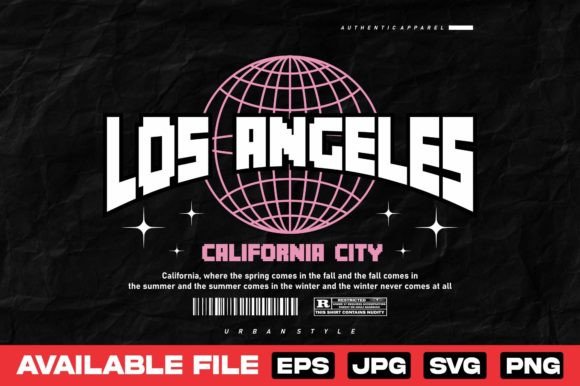
What makes this style so visually magnetic? It is the tension between the raw and the refined. Traditional streetwear relies on heavy, impactful typography—often sans serif fonts that scream authority—but the LA twist introduces elements of movement and fluidity. This is where the "grid globe graphic design vector illustration" comes into play. The globe represents reach and connectivity, while the grid structure grounds it in modern, digital precision. This combination creates a visual metaphor: the world is your oyster, and you are viewing it through the lens of Los Angeles street culture.
For the designer, this style is a playground. The visual appeal lies in the scalability of the art. Because these assets are made with 100% vector shapes, you never have to worry about pixelation when you scale up for a massive billboard or down for a delicate embroidery patch on a snapback. The sharpness remains. This is crucial for maintaining the "grit" of the design; blurred edges can make a streetwear design look amateurish. With high-resolution vectors, every edge is crisp, and every line is intentional, preserving the integrity of the artwork whether it is displayed on a digital screen or a physical fabric.
From Screen to Fabric: Practical Production
As a small business owner or creative entrepreneur, the gap between a digital mockup and a physical product is often where designs fall apart. You might have a stunning graphic on your laptop, but once it hits the heat press or the screen printing frame, the details can get lost. This is why the technical specifications of your design files matter just as much as the aesthetic.
The inclusion of EPS and SVG files is a game-changer for production. These formats are the industry standard for screen printing and vinyl cutting because they allow for easy color separation. If you are working with a print shop that requires spot colors, you can easily modify the vector shapes to match their requirements. Furthermore, the "easy to modify, resize, and change color" nature of these assets means you can create a cohesive collection without starting from scratch. You can take the core "Los Angeles slogan" graphic, alter the color palette for a winter drop, and resize the globe graphic for a sleeve print, all while maintaining the core identity of the line.
Beyond the standard t-shirt, think about the versatility of the transparent PNG files. At 300 DPI, these are print-ready assets that can be placed onto textured backgrounds—like distressed fabric textures or photographic cityscapes—without the hassle of clipping masks. This is essential for creating mockups for hoodies, mugs, and sticker packs. The transparency allows the design to blend seamlessly into various product environments, giving your brand a professional, polished look across your entire storefront.
Building a Brand with Bold Graphics
Visual consistency is the backbone of brand recognition. When a customer sees your logo or a specific graphic style, they should immediately associate it with your brand's values. Utilizing a cohesive set of vector illustrations helps build this mental shortcut. If your brand is rooted in the Los Angeles Urban Streetwear Design ethos, your graphics need to speak that language fluently.
Consider how the "grid globe" motif can be expanded into a larger brand identity. It is not just a one-off graphic; it is a symbol of your brand's worldview. You can use the vector elements to create patterns for packaging design, such as wrapping paper or tissue paper for your e-commerce orders. You can isolate the grid lines to create a subtle background texture for your website, or use the typography from the slogan to create header graphics for your blog posts. This approach ensures that every touchpoint a customer has with your brand—whether it is a social media post, a hang-tag on a hoodie, or an email newsletter—feels connected and intentional.
Typography and the Art of the Slogan
In streetwear, typography often carries as much weight as the illustration. The "Los Angeles slogan" component of this design package is not just text; it is a statement. The font choices inherent in this style are typically bold, blocky, and commanding. They are designed to be read from a distance, making them perfect for the back of a hoodie or the front of a trucker cap.
However, readability is key. A common pitfall in urban design is sacrificing legibility for style. When selecting or modifying these assets, ensure that the text remains clear against the background. If you are using the vector files, you have the advantage of adjusting the kerning (the space between letters) to ensure the text breathes. Tight kerning can look stylish, but too tight and it becomes a jumbled mess. The goal is to create a "lock-up" where the text and the globe illustration work together harmoniously, rather than competing for attention.
Marketing and Digital Presence
In the digital age, your design assets need to work just as hard on a smartphone screen as they do on a t-shirt. The high-resolution nature of these files ensures that your Instagram posts, Facebook ads, and website banners look sharp on Retina displays. Social media graphics require a certain "thumb-stopping" power, and the bold, high-contrast nature of urban streetwear design is perfect for this.
Use the JPEG and PNG files to quickly create content for your feed. For example, you could create a "drop announcement" post using the slogan typography over a lifestyle photo of a model in downtown LA. Because the files are editable, you can tweak the colors to match the specific lighting or mood of your campaign. This flexibility allows you to keep your content fresh and engaging without needing to commission new custom artwork for every single post.
Final Thoughts on Versatility
The true value of a comprehensive design package lies in its utility. Having access to EPS, SVG, JPEG, and PNG formats means you are prepared for any creative challenge that comes your way. Whether you are a hobbyist looking to print a custom gift for a friend or a professional designer building a client's brand identity, these assets provide the foundation for high-quality output.
The Los Angeles Urban Streetwear Design style is more than a passing trend; it is a staple of modern visual culture. By leveraging high-quality vector assets, you can ensure that your projects look professional, feel cohesive, and stand out in a crowded marketplace. The city is full of inspiration, and with the right tools, you can bring a piece of that energy into your own creative work.